
What Garage Door Opener Installation Cost Really Covers
Garage door opener installation cost is driven by drive type, lift rating, battery backup and smart features—plus what the installer actually does. Here's the breakdown.
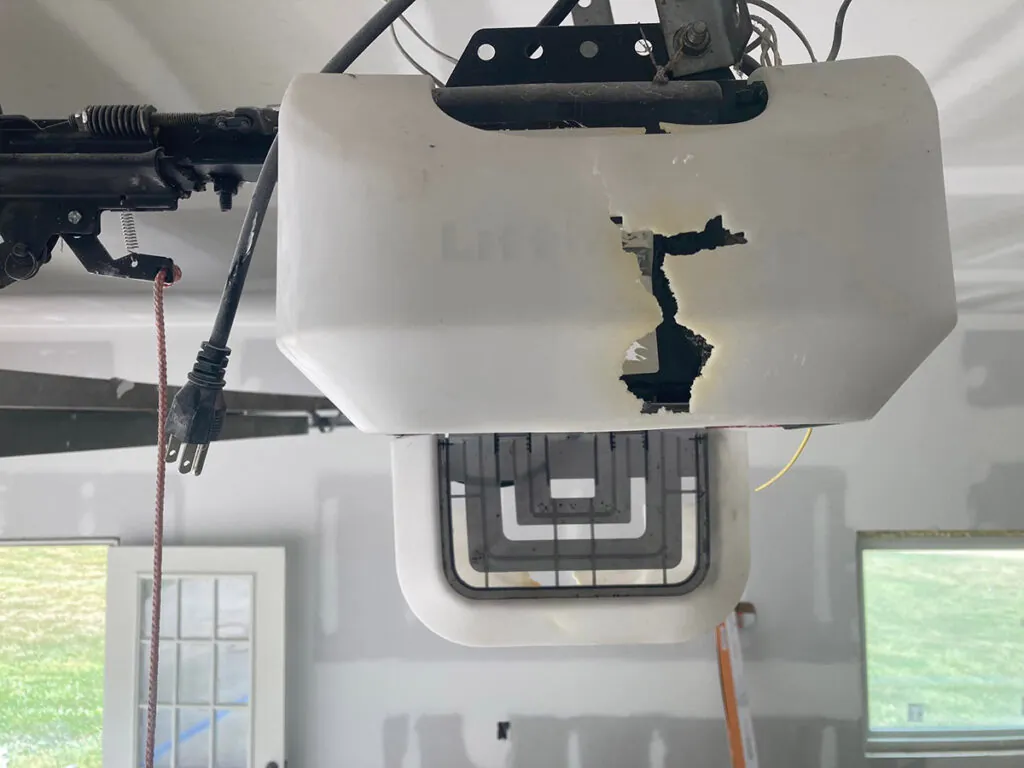
Garage door opener installation cost is one of those numbers homeowners ask about before they know what they're actually buying. The opener itself is only part of it. The rest is the drive type, the lift rating, whether you want battery backup and Wi-Fi, and the labor to mount, wire, balance and test the whole system against your specific door. In the East Bay and Tri-Valley, where a 7-foot steel door on a 1970s tract home and a 9-foot carriage door in Blackhawk are both common, the same opener can be a straightforward swap or a full rework of the mounting and wiring. This article walks through what drives the number so you can compare quotes honestly and ask better questions.
Drive type is the first thing that moves the number
Every opener is built around one of four drive systems, and the drive is usually the biggest single variable in garage door opener installation cost after labor. A chain drive is the traditional workhorse: a metal chain pulls the trolley along the rail. It's loud, it's durable, and it's usually the least expensive option. A belt drive replaces the chain with a reinforced rubber belt. It costs more up front but runs noticeably quieter, which matters if there's a bedroom above the garage. A screw drive uses a threaded rod and a traveling nut; it's smooth and needs very little maintenance, but it's less common and parts can be harder to source locally. A jackshaft (side-mount) opener mounts on the wall beside the torsion bar instead of on the ceiling, which is the right answer for garages with low headroom, storage above the door, or carriage-style doors that need the ceiling clear.
If your garage has a low ceiling, a structural beam where the rail would go, or a door with a high-lift track, the drive choice isn't really a preference—it's a constraint. A technician should measure the headroom and look at the torsion system before recommending anything. If you're replacing an opener because the old one failed, our Garage Door Opener Replacement service covers the swap, and if the existing unit is repairable we'll say so under Garage Door Opener Repair.
Lift rating: the spec homeowners overlook
Openers are rated by lifting force, and the rating has to match the door. A single-car steel door might need a 1/2-horsepower unit; a double-car insulated door, especially one with windows or a wood-look skin, often needs 3/4 horsepower or more. A carriage door in Alamo or Danville with heavy timber and glass can push past what a standard residential opener will move reliably. Put an undersized opener on a heavy door and you get short life, strain on the gears, and a door that reverses or stalls in summer heat.
Lift rating isn't just about the motor. It's also about the door's own balance. A door with fatigued springs will feel heavier than its rated weight, and no opener fixes that. Before quoting an opener, a technician should lift the door by hand, check the spring tension and look at the rollers and hinges. Tri-Valley summers run 95–105°F, and that heat cycles springs hard; a door that balanced fine in April can feel heavy by August. If the springs are the problem, the correct fix is Garage Door Spring Repair, not a bigger motor. Installing a larger opener over a failing spring just moves the failure downstream.
Battery backup and Wi-Fi: useful, but priced separately
Since California's battery-backup requirement for new residential openers took effect, most new units sold here include a backup battery. That's a real feature, not a gimmick: when the grid goes down, the door still opens and closes a limited number of times. It adds to the installed cost, but it also means you're not locked out of your own garage during a Public Safety Power Shutoff, which East Bay and Tri-Valley homeowners have dealt with repeatedly.
Wi-Fi and smart control are the other common add-on. Built-in Wi-Fi lets you open, close and monitor the door from a phone, and it usually integrates with a home hub. Some openers support it natively; others need a separate bridge module. Decide up front whether you want it, because retrofitting later costs more than ordering it with the unit. The same goes for a wall-mounted keypad, an exterior keyless entry, and a battery for the safety sensors. None of these are required, but they change the total. Ask for them to be itemized separately so you can see what each one adds.
What installation actually includes
Labor is the part of garage door opener installation cost that varies most between companies, because what's included varies. A proper installation is not just bolting a motor to the ceiling. It includes removing and disposing of the old unit, checking that the door is balanced and the springs are sound, mounting the new rail and header bracket, connecting the arm to the door, wiring the wall control, aligning the photo eyes, and setting the open and close limits and force adjustments. Then the installer runs the door through a full cycle several times, tests the safety reverse with a physical obstruction, and confirms the sensors trip correctly.
Here's a practical checklist of what should be confirmed before the installer leaves:
- The door opens and closes fully without binding or reversing.
- The safety reverse stops and reverses the door when it meets an obstruction.
- The photo eyes are aligned, secure and correctly wired.
- The wall control and any remotes or keypads are paired and labeled.
- The manual release works and the door can be lifted by hand.
- The old opener and packaging are removed from the site.
If the existing wiring is brittle, stapled short, or run through conduit that's been painted over, expect the installer to spend time on it. That's normal in older San Ramon and Concord homes, and it's better to know before the work starts than to discover it mid-job.
Why the local conditions change the quote
A garage door opener in the East Bay lives a harder life than the spec sheet suggests. Summer heat in the Tri-Valley expands and contracts the door and fatigues springs. Winter rain and Mt. Diablo wind gusts work on the seals and the tracks. Small seismic movement can knock a door off its track entirely, which is a different repair from an opener problem—see Off Track Door Repair if that's what happened. And the housing stock matters: 1960s–2000s tract homes with 7–8 ft steel doors usually take a standard ceiling-mount opener, while custom homes in Alamo, Danville and Blackhawk with larger carriage doors often need a jackshaft and a heavier lift rating.
That's why a phone quote is only an estimate until someone has seen the door. The failed part or the limiting factor is identified on site, and the price is itemized in writing before any work starts. If your door is stuck open or off its track right now, that's an emergency—the opening gets secured first and the repair is quoted after. Our Emergency Garage Door Repair page explains how that works. For anything less urgent, a seasonal check under Gate & Garage Door Maintenance is cheaper than a mid-summer breakdown.
How to compare two opener quotes fairly
Two quotes for the same garage can differ by hundreds of dollars and both be honest—they're just pricing different scopes. To compare them, line up four things: the exact model and drive type, the horsepower and lift rating, whether battery backup and Wi-Fi are included or extra, and what labor covers. Ask whether old-opener removal and disposal is included, whether the door balance and springs were checked, and whether the quote assumes the existing wiring and mounting are reusable.
Be wary of a quote that names a brand but not a model, or that promises a price without seeing the door. And be wary of the opposite problem: a low bid that skips the balance check and installs an opener on a door with tired springs. That job will come back. A fair quote reflects the actual door, the actual mounting conditions, and the actual features you asked for. If you want to see what completed work looks like, the photos of recent work show typical installations around the area. When you're ready, request a free quote or call (925) 744-7433 to get on the schedule.
FAQ
Does a new opener always cost the same to install?
No. Labor depends on the drive type, whether the ceiling and wiring are ready, whether the door needs balancing or spring work, and whether you're adding battery backup, Wi-Fi or a keypad. A straight swap of a like-for-like unit is the simplest case; a jackshaft conversion or a rewire is not.
Can you install an opener on a door with weak springs?
We can, but we shouldn't—and a responsible installer won't. An opener sized for the door will strain against a door that no longer balances. The springs get addressed first, then the opener. That's why the door is checked by hand before any quote is finalized.
Is battery backup required in California?
New residential openers sold in California generally include battery backup, so in practice most replacements come with it. It's worth confirming on the model you're quoted, especially if you've dealt with power shutoffs in the East Bay or Tri-Valley.
How long does an opener installation take?
A straightforward replacement is usually a few hours. A jackshaft conversion, new wiring, or a door that needs balancing takes longer. The technician can give you a realistic window once they've seen the garage, and priority scheduling is available for urgent cases.
Do you service my town?
We cover San Ramon and the East Bay and Tri-Valley, including Danville, Alamo, Blackhawk, Dublin, Pleasanton, Livermore, Walnut Creek, Concord, Lafayette, Moraga, Martinez, Clayton, Orinda, Castro Valley, Hayward, Fremont, Oakland, Berkeley, Antioch, Brentwood, Discovery Bay and Benicia. The full list is on our service area page.
A note from Palm Gates and Garage Door Repair
We repair, replace and service garage doors, openers and driveway gates across San Ramon and the wider East Bay. If something in this article sounds like your door, call (925) 744-7433 — we will tell you what it usually means and what the next open appointment looks like.
Keep reading
More articles from the journal
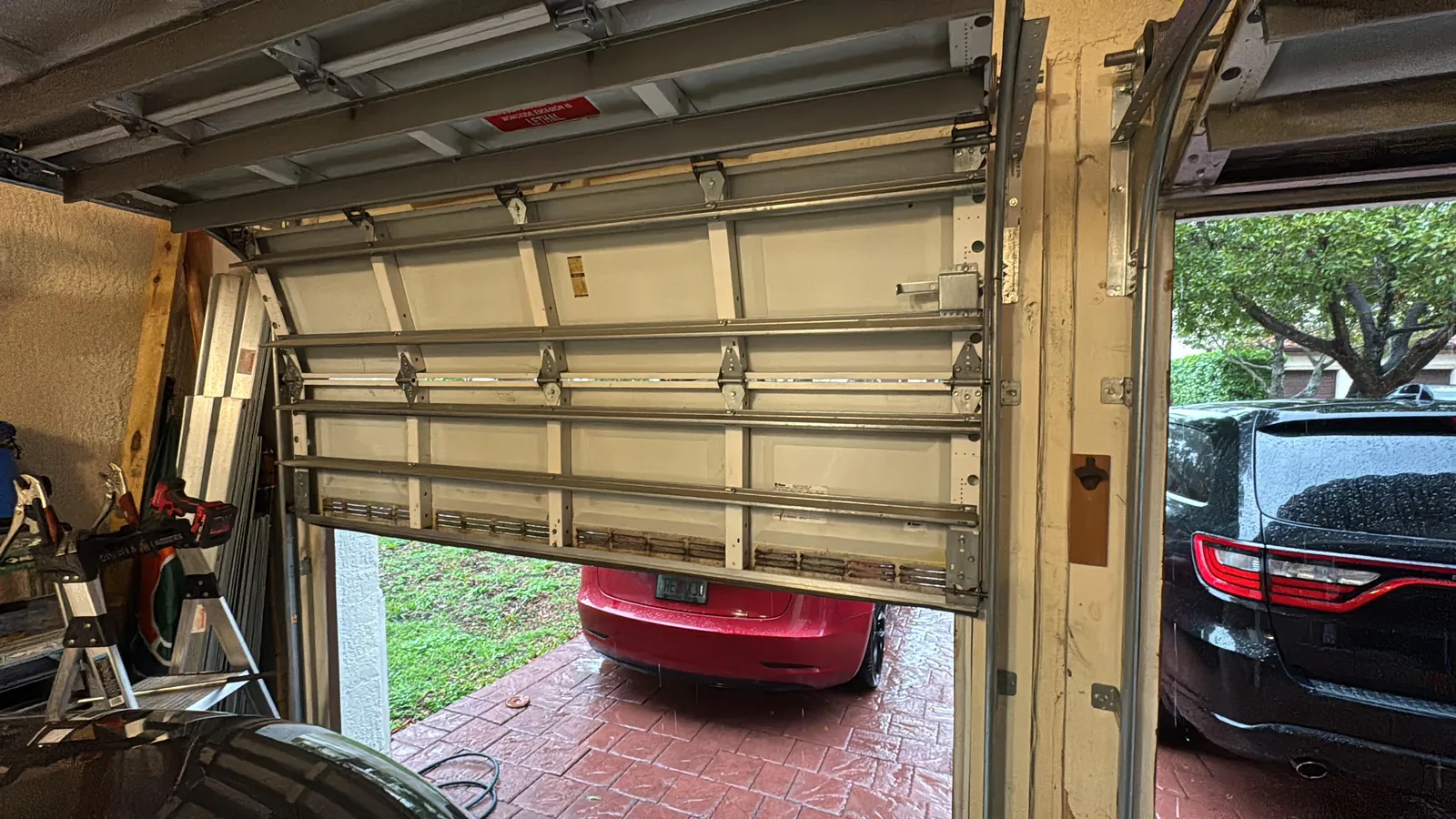
Garage Door Off Track: Causes, Cost and First Steps
A garage door off its track is more than an inconvenience—it's a safety issue. Learn the common causes, how the door is...
Garage Door Opener Repair or Replace: How to Decide
Age, noise, parts availability, and lift rating are the four factors that decide whether a garage door opener repair hol...
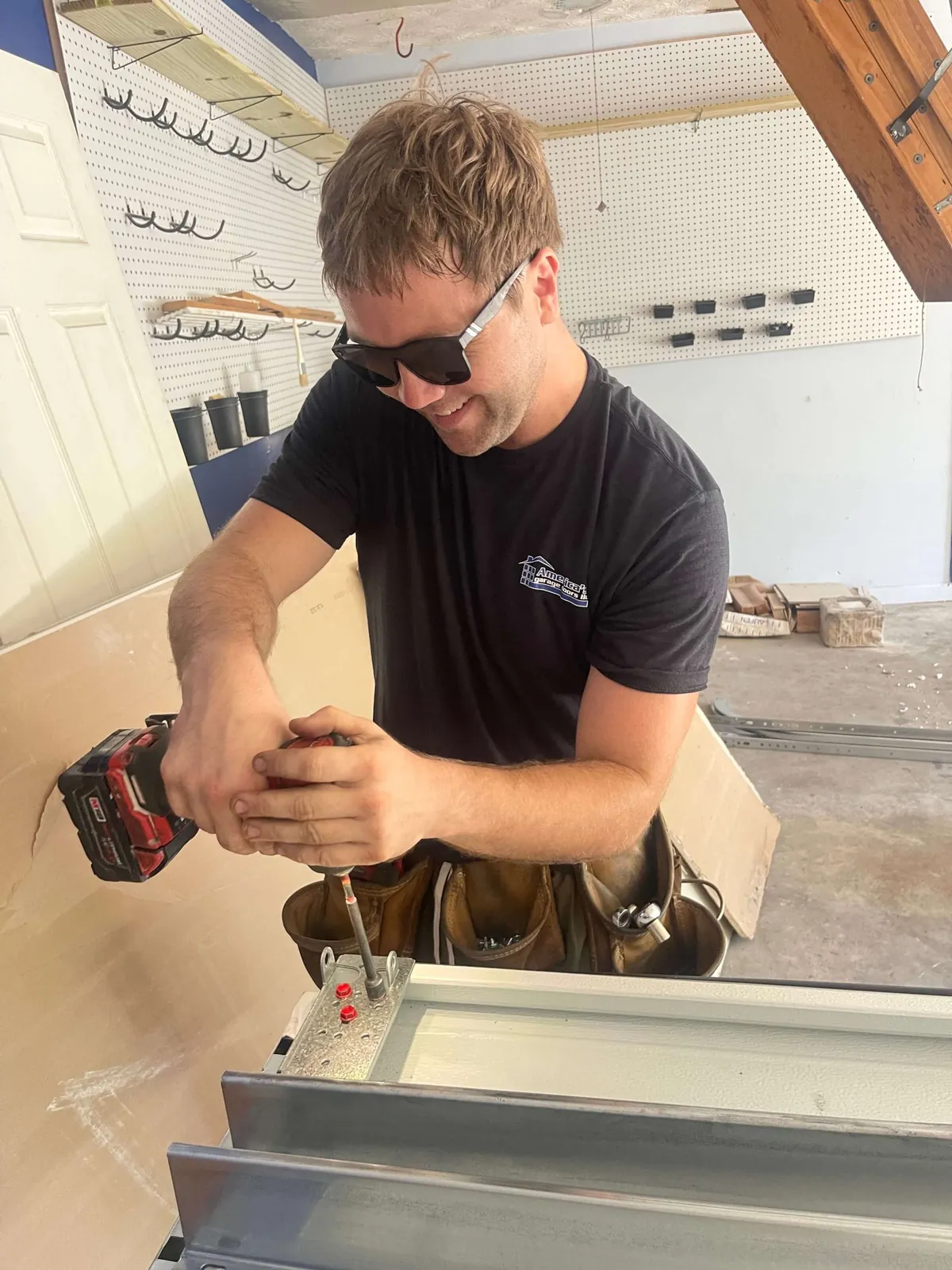
Garage Door Repair Cost in San Ramon: A Local Guide
A straight answer on garage door repair cost in San Ramon: the common repair categories, what moves the number up or dow...