
Garage Door Spring Lifespan in East Bay Heat
East Bay heat takes a toll on garage door springs. Learn cycle ratings, heat fatigue, and why a balanced door makes springs last longer.
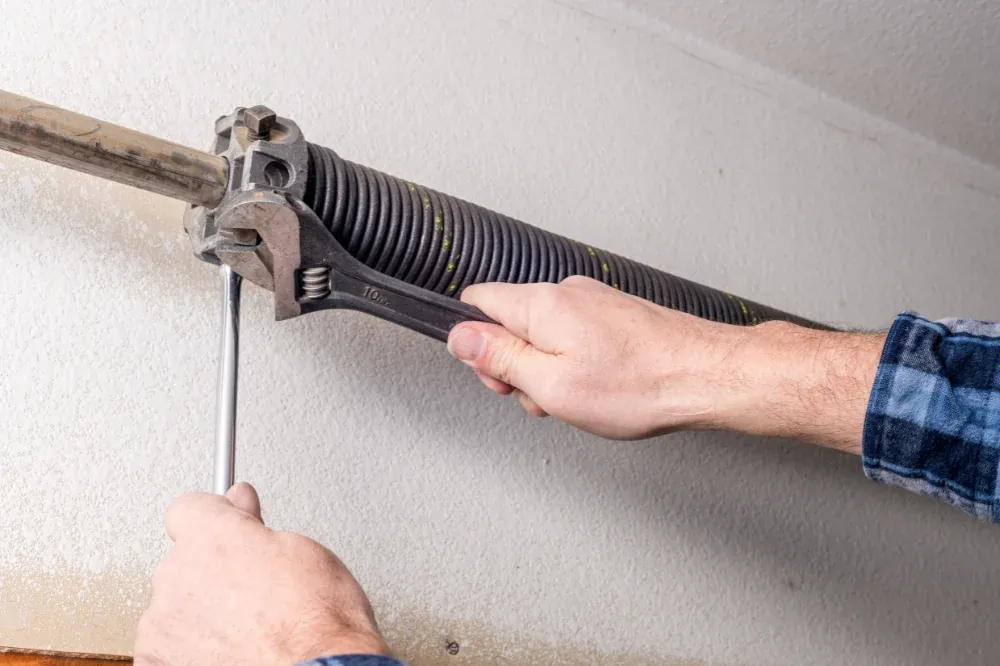
Garage door spring lifespan is one of the most common questions we hear from homeowners in San Ramon and across the East Bay, especially after a hot Tri-Valley summer. The short answer: most springs are rated for a set number of cycles, and heat, door balance, and maintenance all influence how quickly those cycles add up. In this article, we’ll explain cycle ratings, how heat fatigue affects springs, and why a balanced door is the best way to get the most life out of your springs.
What Determines Garage Door Spring Lifespan?
Every time your garage door opens or closes, the springs go through one full cycle—stretching and compressing as they counterbalance the door’s weight. Manufacturers rate springs by cycles: a standard spring might be rated for 10,000 cycles, while a high-cycle spring can be rated for 20,000 or more. For a typical homeowner who opens and closes the door four times a day, 10,000 cycles works out to roughly seven years of service. But that’s just a baseline. Several factors can shorten or extend that number:
- Cycle rating: The starting point. Higher-rated springs last longer but cost more upfront.
- Door weight and balance: A door that’s properly balanced puts less strain on the springs.
- Heat and temperature swings: East Bay summers can accelerate metal fatigue.
- Maintenance: Lubrication and periodic checks help springs run cooler and smoother.
- Usage: A household that opens the door a dozen times a day will wear out springs faster.
In our experience, springs in the Tri-Valley often fail on the lower end of their rated life because of heat and imbalanced doors. The good news is that both factors are manageable.
Cycle Ratings: The Numbers Behind the Spring
Spring manufacturers publish cycle ratings based on controlled testing. A cycle is one open-and-close cycle. Most residential torsion springs are rated for 10,000 cycles, but you’ll also see 15,000, 20,000, and even 25,000-cycle springs. The rating assumes ideal conditions: proper installation, a balanced door, and normal lubrication. In the real world, a 10,000-cycle spring might last five to seven years for a typical family, but if your door is heavy or out of balance, you might see failure in three to four years. It’s also worth noting that springs don’t fail gradually—they typically break suddenly, often when the door is in motion. That’s why it’s smart to replace both springs at the same time if one breaks, since they’ve likely accumulated similar wear. If you’re unsure what rating your current springs have, a technician can identify them by wire size, inside diameter, and length.
How East Bay Heat Fatigues Garage Door Springs
Tri-Valley summers regularly push temperatures into the 95–105°F range, and garage interiors can get even hotter, especially on west-facing doors that bake in the afternoon sun. Heat affects steel springs in two ways. First, it can reduce the metal’s tensile strength over time, making it more susceptible to fatigue. Second, heat causes expansion and contraction as temperatures swing from day to night, which works the metal even when the door isn’t moving. Over years, that thermal cycling adds up. We also see more spring failures in late summer and early fall, after months of heat. Homes in Danville, Alamo, and Blackhawk with larger carriage doors and jackshaft openers may put extra stress on springs because those doors are heavier. If your garage faces west or has little insulation, your springs are working in a tougher environment than a shaded, well-insulated garage.
Why a Balanced Door Makes Springs Last Longer
A garage door is a heavy object—a typical two-car steel door can weigh 150–250 pounds. The springs are designed to counterbalance that weight so the opener only has to lift a fraction of it. When the door is properly balanced, you can lift it manually with one hand and it stays put halfway up. When it’s out of balance, the springs are doing more work than they should, and that extra strain shortens their life. Common causes of imbalance include:
- Broken or worn cables
- Worn rollers or hinges
- Track misalignment
- Springs that were incorrectly sized for the door
If your door feels heavy, slams down, or doesn’t stay open on its own, it’s worth having it checked. A balanced door not only extends spring life but also reduces wear on the opener and makes the door safer to operate. Our garage door spring repair service includes a balance check, and we can also address related issues like cables, rollers, and tracks that contribute to imbalance.
Signs Your Springs Are Nearing the End
Springs rarely give a warning before they break, but there are clues that they’re nearing the end of their life. Pay attention to these signs:
- A loud bang from the garage: This is often the sound of a torsion spring breaking.
- The door feels heavy: If you can’t lift it easily by hand, the springs may be losing tension.
- The door opens a few inches and stops: This can indicate a broken spring or a problem with the opener.
- A visible gap in the spring: Torsion springs often show a clean break; extension springs may stretch out.
- The opener strains or the door slams down: Both suggest the springs aren’t counterbalancing properly.
If you notice any of these, stop using the door and call a professional. Springs are under high tension and can cause serious injury if handled improperly. For urgent issues, our emergency garage door repair team can secure the door and advise on next steps.
Maintenance That Helps Springs Last in Our Climate
While you can’t change the weather, you can reduce the stress on your springs. A little maintenance goes a long way. Here’s what we recommend for East Bay homeowners:
- Lubricate the springs and moving parts every six months with a silicone-based lubricant. This reduces friction and helps springs run cooler.
- Check the door balance annually by disconnecting the opener and lifting the door halfway. It should stay in place.
- Keep the tracks clean and aligned. Debris and misalignment make the door work harder.
- Schedule a professional tune-up every year or two. A technician can spot worn cables, rollers, and spring tension issues before they cause a breakdown.
Our gate and garage door maintenance service includes a thorough inspection of springs, cables, rollers, and tracks. It’s a small investment that can extend the life of your springs and prevent surprise failures.
Repair or Replace? Making the Call
When a spring breaks, you have two options: replace just the broken spring or replace both. If your springs are near the end of their rated life, replacing both is usually the better choice because the second spring is likely to fail soon after. If you’re unsure, a technician can measure the existing springs and recommend a high-cycle replacement that better suits your usage. In some cases, upgrading to a higher-cycle spring is worth the extra cost, especially for homeowners who use the door frequently. We always itemize the options in writing before any work begins. If you’re in San Ramon, Danville, Pleasanton, or anywhere in our service area, we can assess your springs and give you a clear recommendation. Call us at (925) 744-7433 to schedule a visit.
FAQ
How often should garage door springs be replaced in the East Bay?
Most springs last 7–10 years under normal use, but in hotter parts of the East Bay, especially with imbalanced doors, they may fail sooner. We recommend having them inspected during an annual tune-up.
Can I replace garage door springs myself?
No. Torsion springs are under extreme tension and can cause serious injury. This is a job for a trained technician with the right tools.
What’s the difference between torsion and extension springs?
Torsion springs are mounted above the door and twist to lift it; extension springs run along the sides and stretch. Torsion springs are more common on modern doors and generally last longer.
Does heat really shorten spring life?
Yes. High temperatures can accelerate metal fatigue, and the daily expansion and contraction add stress. Keeping your garage ventilated and your door balanced helps.
My door is stuck open—what should I do?
Don’t force it. Call us at (925) 744-7433 for prompt, local service. We’ll triage the situation and secure the opening if needed.
A note from Palm Gates and Garage Door Repair
We repair, replace and service garage doors, openers and driveway gates across San Ramon and the wider East Bay. If something in this article sounds like your door, call (925) 744-7433 — we will tell you what it usually means and what the next open appointment looks like.
Keep reading
More articles from the journal
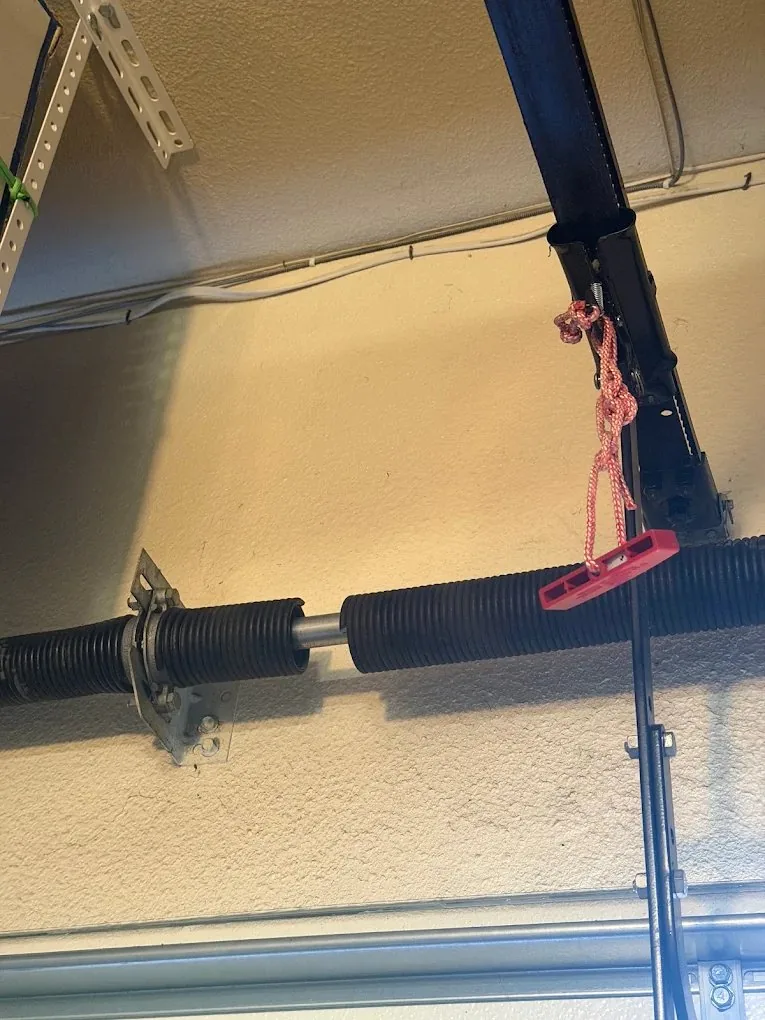
Torsion vs Extension Springs: Which Does Your Door Have?
Torsion vs extension springs — how each works, how to tell them apart, and why the repair path differs. A plainspoken gu...
How to Choose a Garage Door Company Near Me
A local technician's guide to vetting a garage door company: licensing questions, written quotes, warranty terms and the...

Driveway Gate Repair Cost in San Ramon: What Drives the Price
Driveway gate repair cost in San Ramon depends on whether the fault is in the gate or the operator. Here is how diagnosi...